

Why You Should Verify Your Income Tax Return Within 30 Days of Filing

Income Tax return

Why You Should Verify Your Income Tax Return Within 30 Days of Filing

Income Tax return

As the deadline for filing income tax returns (ITR) approaches on July 31, taxpayers are busy gathering the necessary documents. Once you’ve filed your tax return, it’s crucial to verify it within 30 days. The Income Tax (I-T) Department has recently reminded taxpayers of this requirement, as per the Income Tax (I-T) Act, 1961. Failure to verify on time can lead to late fee charges of up to ₹5,000.

How to Verify Your Return

  • E-Verification: The most convenient and hassle-free method is e-verifying through Aadhaar-OTP, net banking, or a pre-validated bank account or demat account.

  • Physical Verification: Alternatively, you can send a physical copy of ITR-V to the Central Processing Centre (CPC) in Bengaluru. However, this method is more time-consuming.

Popular Ways to E-Verify Your Return

  • OTP on Mobile Number Registered with Aadhaar
  • EVC Generated Through Pre-Validated Bank Account
  • EVC Generated Through Pre-Validated Demat Account
  • EVC Through ATM (Offline Method)
  • Net Banking
  • Digital Signature Certificate (DSC)
Income Tax return

Confirmation of Verification

After successfully e-verifying your return, a success message and a Transaction ID will be displayed. An email confirmation will also be sent to the email ID registered with the income tax e-filing portal.

Consequences of Delayed Verification

If you do not verify your return within 30 days, the date of verification will be considered the date of filing. This delay can result in late fee charges under section 234F and other consequences as per the Central Board of Direct Taxes (CBDT) notification number 2 of 2024 dated March 31, 2024. The late fee is ₹1,000 for a total income up to ₹5 lakh and ₹5,000 for a total income over ₹5 lakh.

To avoid these penalties, ensure you verify your ITR promptly after filing.

Related Post

image

Avoiding Double Trouble: The Importance of Tax Treaties

Double Taxation Avoidance Key to Global Economic Growth In today’s interconnected world, finance has gone global. Businesses expand beyond borders, professionals take up overseas assignments, and investments flow seamlessly across…

image

Gen Z’s enthusiasm for the stock market is redefining the investment

Gen Z's enthusiasm for the stock market is redefining the investment India’s capital markets are witnessing a dramatic shift, and it’s not just in numbers—it’s in the age profile of…

image

Angel Tax: A Challenge for India’s Startup Ecosystem

Angel Tax: A Challenge for India's Startup Ecosystem India’s economy has been undergoing rapid transformation, with start-ups emerging as a powerful force for innovation, job creation, and digital growth. Fuelled…


Book A One To One Consultation Now
For FREE

How can we help? *

High-Value Transactions That May Attract Income Tax Department Notices

High-Value Transactions

High-Value Transactions That May Attract Income Tax Department Notices

High-Value Transactions

To streamline the tracking of high-value transactions, the Income Tax Department has set up agreements with various government agencies and financial institutions. It’s crucial for taxpayers to be aware that substantial cash transactions exceeding specific limits are under the watchful eye of the Income Tax Department. Not disclosing these transactions in Income Tax Returns (ITR) can lead to receiving notices from tax authorities.

Key Transactions Under Surveillance

Transactions such as significant bank deposits, mutual fund investments, property deals, and share trading fall within the scope of the Income Tax Department’s monitoring. If these transactions surpass the designated thresholds, individuals are advised to report them to avoid receiving a notice.

High-Value Transactions

Common ITR Filing Errors

During the ITR filing process, mistakes are common and can lead to the rejection of the return or trigger an income tax notice. Ensuring accurate reporting of all high-value transactions is essential to avoid such issues.

Monitoring High-Value Transactions

The Income Tax Department monitors several types of transactions, including:

  • Bank Account Transactions: Transactions exceeding Rs 10 lakh in a savings bank account or Rs 50 lakh in a current account within a financial year should be disclosed. Deposits over Rs 2 lakh in a single transaction are also scrutinized.

  • Fixed Deposits (FDs): With increasing FD rates, these are popular for a stable income. Any cash deposits totaling over Rs 10 lakh in a single financial year across all accounts must be reported. Distributing deposits across multiple accounts to stay under the limit does not exempt one from reporting requirements.

  • Cash Payments: Banks and cooperative societies must report transactions involving cash payments for bank drafts, pay orders, or banker’s cheques.

  • Credit Card Payments: Annual cash payments exceeding Rs 1 lakh for credit card bills and non-cash payments over Rs 10 lakh across all credit cards are monitored.


Other Significant Transactions

The Income Tax Department also sends notices for substantial transactions such as domestic business-class air travel, tuition or donation payments, acquisitions of jewellery, white goods, paintings, marble, and electricity expenses over Rs 1 lakh within a fiscal year.

Real Estate Transactions

Buyers of properties valued over Rs 30 lakh must disclose the source of funds. This is to combat tax evasion and money laundering. The thresholds for declaring the source of funds are Rs 50 lakh for urban properties and Rs 20 lakh for rural properties. However, individual states may have stricter regulations.

High-Value Transactions

Reporting and Compliance

To report the source of funds, buyers can include the information in registration documents or submit Form 26QB to the ITD. Even if the property value is below the threshold, the ITD can request information if there are inconsistencies in your financial activities. Failure to declare the source of funds can result in penalties and tax assessments.

Responding to Income Tax Department Notices

If you receive a notice concerning high-value transactions, gather adequate documentation to support your explanation of the source of funds. This includes bank statements, investment records, or legal documents related to inheritances. Consulting with a knowledgeable tax consultant is highly recommended for tailored advice.

Maintaining transparency and complying with tax laws is crucial for responsible financial planning and avoiding legal issues.

Related Post

image

Avoiding Double Trouble: The Importance of Tax Treaties

Double Taxation Avoidance Key to Global Economic Growth In today’s interconnected world, finance has gone global. Businesses expand beyond borders, professionals take up overseas assignments, and investments flow seamlessly across…
image

Gen Z’s enthusiasm for the stock market is redefining the investment

Gen Z's enthusiasm for the stock market is redefining the investment India’s capital markets are witnessing a dramatic shift, and it’s not just in numbers—it’s in the age profile of…
image

Angel Tax: A Challenge for India’s Startup Ecosystem

Angel Tax: A Challenge for India's Startup Ecosystem India’s economy has been undergoing rapid transformation, with start-ups emerging as a powerful force for innovation, job creation, and digital growth. Fuelled…
Book A One To One Consultation Now
For FREE

How can we help? *

Expedite Your Income Tax Refunds: Pre-validate Your Bank Account

Pre-validate Bank Account

Expedite Your Income Tax Refunds: Pre-validate Your Bank Account

Pre-validate Bank Account

As the income tax return (ITR) filing season of 2024 progresses, many taxpayers are keenly awaiting their refunds. To ensure a smooth and speedy refund process, one crucial step is often overlooked—pre-validating your bank account.

Why Pre-validate Your Bank Account?

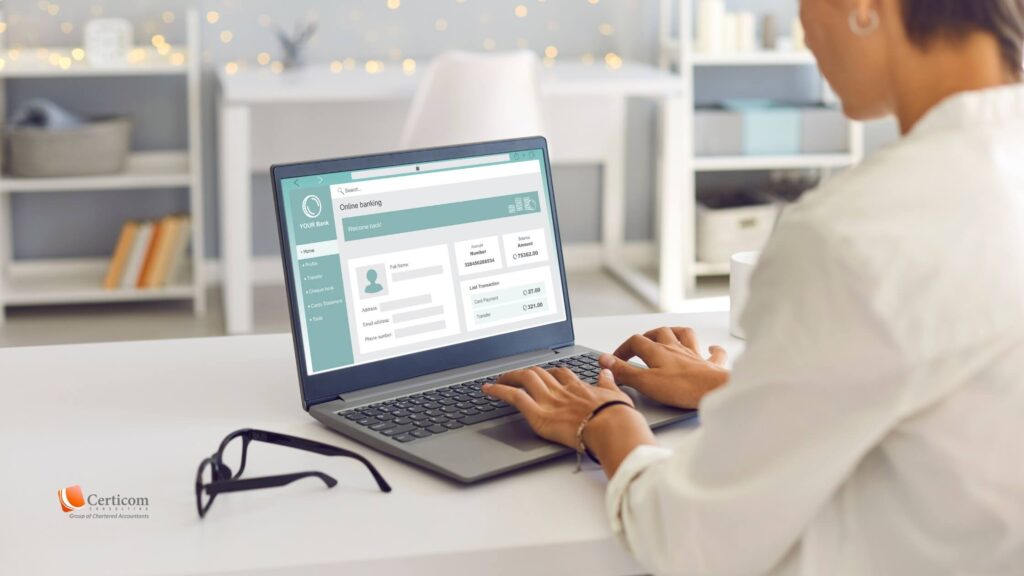
Pre-validating your bank account is essential for the efficient processing of income tax refunds. This process confirms that your bank details are accurate and linked to your Permanent Account Number (PAN) on the income tax department’s e-filing portal. Here’s why pre-validating is critical:

  1. Prevent Delays and Failures: With pre-validation, you minimize the risk of refund delays and avoid failures due to incorrect bank details.
  2. Address Changes: If your bank details have changed due to mergers or acquisitions, or if there have been updates to your IFSC or account number, pre-validation ensures that the correct information is in place.
  3. Compliance and Security: Pre-validating adds a layer of security, confirming that the refund is deposited into the rightful owner’s account. It’s also a compliance requirement under income tax laws, avoiding potential complications.

Steps to Pre-validate Your Bank Account

Follow these steps to pre-validate your bank account on the income tax e-filing portal:

  1. Login to the E-filing Portal: Visit incometax.gov.in and log in using your credentials.
  2. Navigate to My Profile: Go to ‘My Profile’ and select ‘My Bank Account’ from the left pane.
  3. Manage Bank Details: Under the ‘My Bank Account’ tab, you can add a new bank account or update an existing one. Enter the required details, including bank name, account number, PAN, IFSC, etc. Ensure these details match exactly with your bank records.
  4. Submit for Verification: After submission, the portal will verify your details with your bank.

How to Check Pre-validation Status

Once you have pre-validated your bank account, you can check the status by:

  1. Logging into the e-filing portal.
  2. Going to ‘My Profile’ and selecting ‘My Bank Account’ from the left pane.
  3. Viewing the list of bank accounts that are pre-validated and those selected for receiving income tax refunds.

Importance of Pre-validation

Pre-validation eliminates potential hurdles that might delay your refund. The income tax department can directly deposit your refund into your pre-validated bank account, reducing processing time. This step ensures that the information provided is accurate, preventing any rejections by the bank.

Pre-validate Bank Account

Benefits Beyond Timely Refunds

Pre-validating your bank account enhances the overall security of the refund process, reduces errors, and ensures compliance with income tax laws. It streamlines the electronic credit system (ECS) for refunds, providing a hassle-free digital experience for taxpayers.

Additionally, a pre-validated bank account can be used to enable an Electronic Verification Code (EVC) for the e-verification of returns.

Pre-validating your bank account is a streamlined, secure, and compliant approach that ensures taxpayers can manage their returns and refunds efficiently with fewer complications. By taking this simple step, you can expedite your income tax refunds and enjoy peace of mind.

Related Post

image

Avoiding Double Trouble: The Importance of Tax Treaties

Double Taxation Avoidance Key to Global Economic Growth In today’s interconnected world, finance has gone global. Businesses expand beyond borders, professionals take up overseas assignments, and investments flow seamlessly across…
image

Gen Z’s enthusiasm for the stock market is redefining the investment

Gen Z's enthusiasm for the stock market is redefining the investment India’s capital markets are witnessing a dramatic shift, and it’s not just in numbers—it’s in the age profile of…
image

Angel Tax: A Challenge for India’s Startup Ecosystem

Angel Tax: A Challenge for India's Startup Ecosystem India’s economy has been undergoing rapid transformation, with start-ups emerging as a powerful force for innovation, job creation, and digital growth. Fuelled…

Book A One To One Consultation Now
For FREE

How can we help? *